
Key Takeaways:
- A single sustainable fabric shawl can be styled in at least 12 distinct ways, covering everything from formal evening looks to casual everyday accessories.
- Sustainable shawl fabrics – like organic cotton, Tencel, peace silk, and recycled materials – reduce water consumption, pesticide use, and overall environmental impact compared to conventional textiles.
- Limited-edition shawl collections naturally curb overproduction, making each piece a more thoughtful, lower-waste fashion choice.
- Read on to see how creative styling extends the lifespan of a shawl – and why that matters more than most people realize.
A shawl is one of the most underestimated accessories in a wardrobe. It can be wrapped, knotted, belted, draped, or folded into completely different silhouettes – without buying a single new item. When that shawl is also made from a sustainable fabric, every styling choice carries a little extra weight. This guide breaks down 12 specific techniques, organized by occasion and mood, so the same piece works harder across more days of the year.
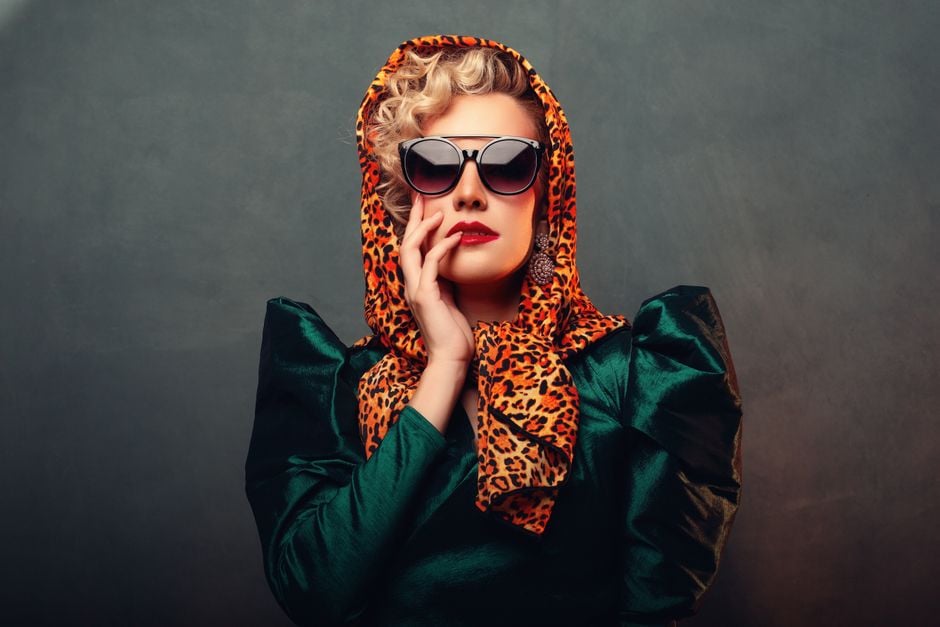
A versatile shawl made from premium fabrics can move easily between classic drapes, neck ties, layered looks, and creative accessories, making it easier to experiment with different styling ideas using the same piece.
One Shawl, Twelve Distinct Looks
Getting more from one piece depends on creativity, yes – but it starts with a shawl that has the right drape, weight, and dimensions. A well-constructed silk or Tencel shawl holds its shape through knotting and wrapping without bunching awkwardly. That physical quality separates a technique that looks polished from one that falls apart by noon.
Each of the 12 techniques below is grouped by context: classic and formal drapes, everyday neck knots and ties, and creative body and accessory styling. Within those groups, the looks range from effortless two-minute wraps to slightly more intentional knots that reward a little practice.
Why Sustainable Fabric Makes the Difference
Understanding what makes the material behind a sustainable shawl genuinely different matters – because it changes how the piece wears, ages, and fits into a longer-term wardrobe.
Materials That Matter
Sustainable shawl fabrics commonly include organic cotton, linen, hemp, Tencel, peace silk, and recycled polyester. Each material brings distinct properties: Tencel has a silky drape with strong moisture management; organic cotton breathes well and softens with use; peace silk is produced without harming silkworms, maintaining a luxurious hand feel with a cleaner production story. What these materials share is a significantly lower environmental footprint – less water consumption, reduced pesticide use, and more ethical production practices compared to conventional fabric manufacturing.
Limited Editions Reduce Overproduction
Limited-edition fashion collections serve a real sustainability function beyond exclusivity. When a brand caps production intentionally, it avoids the cycle of unsold inventory that ends up in landfills – one of fast fashion’s most persistent problems. Brands that incorporate artisanal craftsmanship or unique dyeing techniques into limited runs also tend to produce pieces with longer aesthetic lives; they do not go out of style because they were never chasing a trend in the first place. The Ethical Fashion Initiative has highlighted this model broadly – supporting artisanal, limited-edition, sustainably produced items that combine responsible production with genuine versatility.
Classic & Formal Drapes
These three techniques lean elegant. They are the go-to options for evening events, formal dinners, or any occasion where the shawl needs to complement rather than compete with a dressed-up outfit.
The Traditional Shoulder Wrap
Drape the open shawl evenly across the back and over both shoulders. Keep the panels symmetrical for a clean, balanced silhouette. This is the most timeless of all shawl techniques – appropriate for formal galas, theatrical evenings, or any setting where understated elegance is the goal. With a silk or Tencel shawl, the fabric naturally holds this position without constant adjustment.
The Single Toss Over
Rest the center of the shawl across the back, then flip one long end backward and up over the opposite shoulder. The asymmetry creates a relaxed, flowing movement that works beautifully for semi-formal events or a dressed-up dinner. It takes about ten seconds and photographs extremely well.
The Arm Cradle
Drape the shawl loosely inside the bend of both elbows across the lower back, letting the fabric hang in a wide arc behind the body. This is an opera-style technique – upscale, intentional, and best reserved for formal settings where standing and mingling is the primary activity. A lightweight silk shawl is the ideal candidate here, since heavier fabrics can slip out of position.
Everyday Neck Knots & Ties
These techniques bring the shawl closer to the body and work naturally in daytime or casual settings – office environments, weekend outings, or layered autumn looks.
The French Knot
Fold the shawl into a triangle, then roll it lengthwise into a soft band. Wrap it once around the neck and let both ends rest evenly in the front. The result is neat, structured, and works with everything from a blazer to a plain white tee. One of the most adaptable techniques in the collection – formal enough for a work setting, relaxed enough for a weekend cafe.
The Modern Cravat
Twist the shawl tightly into a long, rope-like line. Tuck it under the collar of a button-down shirt, then finish with a neat knot to one side. This look borrows from classic menswear styling and updates it with a lighter, more fluid material. A silk shawl with a little sheen elevates the effect considerably – it reads as intentional rather than improvised.
Creative Body & Accessory Styling
This is where a shawl stops being a shawl and becomes something else entirely. These techniques require slightly more setup, but the results are significantly more transformative.
The Belted Wrap
Drape the shawl over the shoulders or across the back, then cinch it firmly at the waist with a sleek leather or chain belt. The lower panels billow freely beneath the belt, creating a silhouette that reads as a layered top or casual jacket. This technique works especially well with longer shawls and pairs naturally with high-waisted trousers or a simple midi skirt.
The Statement Halter Top
Pin or knot the silk securely around the neck, then bring the lower corners around to the back and tie them tightly at the lower back – ideally over a fitted base layer. The result is a lightweight halter top that works for warm-weather events, beach cover-ups, or festival settings.
The Handbag Accent
Fold or roll the shawl lengthwise and wrap it tightly around the handle of a solid-colored tote or structured handbag. A single half-knot keeps it anchored. This is one of the fastest transformations in the collection – thirty seconds, no mirror required – and it turns a plain bag into an intentional accessory. A printed or brightly colored shawl works best here, since the fabric becomes the focal point rather than a background element.
Styling Longer Shawl Life Is Sustainable Fashion
Every additional way a shawl gets worn is one fewer purchase made elsewhere. That is the practical core of sustainable fashion. When a single piece covers formal events, casual weekends, handbag styling, and beachwear, the cost-per-wear math shifts dramatically. Extending the useful life of a garment is one of the most impactful actions available to conscious consumers, and versatility is the mechanism that makes it possible.
Fashion stylists increasingly frame multi-use styling as a skill worth developing – a deliberate choice to consume less and wear more thoughtfully. A sustainable shawl styled across 12 different configurations is a direct expression of that shift.
Wear More, Buy Less – Your Shawl Does It All
Twelve techniques from one piece of fabric. That is the practical argument for investing in a well-made, sustainably produced shawl rather than accumulating a drawer full of single-use accessories. The Traditional Shoulder Wrap handles the gala. The French Knot covers Monday’s meeting. The Handbag Accent upgrades the weekend tote. The Statement Halter Top shows up at the summer rooftop. None of these require a new purchase – just a different fold, knot, or drape.
The real value of a limited-edition sustainable shawl is not scarcity for its own sake. The combination of thoughtful material sourcing, intentional production limits, and physical quality that holds up across years of varied styling is what makes it worth reaching for, again and again, in a dozen different ways.
For anyone exploring sustainable fashion, choosing versatile shawls with exclusive designs can open up more ways to style, rewear, and adapt a favorite accessory instead of reserving it for a single outfit or occasion.
Blue LIke Me LLC
artsiona@gmail.com
6 Godfrey Road
Montclair
NJ
07043
United States


